Key Takeaways from a Live Webinar with Nonprofit Finance, Fundraising, and Governance Experts
If you work in the nonprofit sector, chances are you’ve had at least one conversation about endowments that ended with more questions than answers. Are endowments only for large institutions? Do they take funding away from today’s mission? And how do you even know if your organization is ready?
To tackle those questions head-on, we recently hosted a webinar on building an endowment roadmap—one that went beyond theory and focused on what nonprofit leaders actually face in practice. The conversation featured four experts with decades of experience working with nonprofits:
Lori Kranczer, legacy giving and philanthropic strategist and founder and CEO of Link Elevating Philanthropy
Tina Duong, founder and CEO of ImpactPro Tech®, a SaaS platform that uses data-driven donor intelligence
Maya Tussing, co-founder of Fairlight Advisors, which provides investment management and financial advisory services to nonprofits
Nick Bilotta, fractional CFO and founder of CPA firm Bilotta & Company, CPAs, LLC
Our panelists challenged common misconceptions, shared inspiring stories and cautionary tales, and offered practical guidance for organizations considering their first — or next — step into confidently establishing a long-term funding course for their mission.
Below are the key themes, in their own words.
Endowments Are About Sustainability, Not Scarcity
One of the strongest themes was the idea that endowments can start small but are foundational in developing long-term sustainability for an organization — especially as we’re living through uncertainty in funding from sources that have long been reliable.
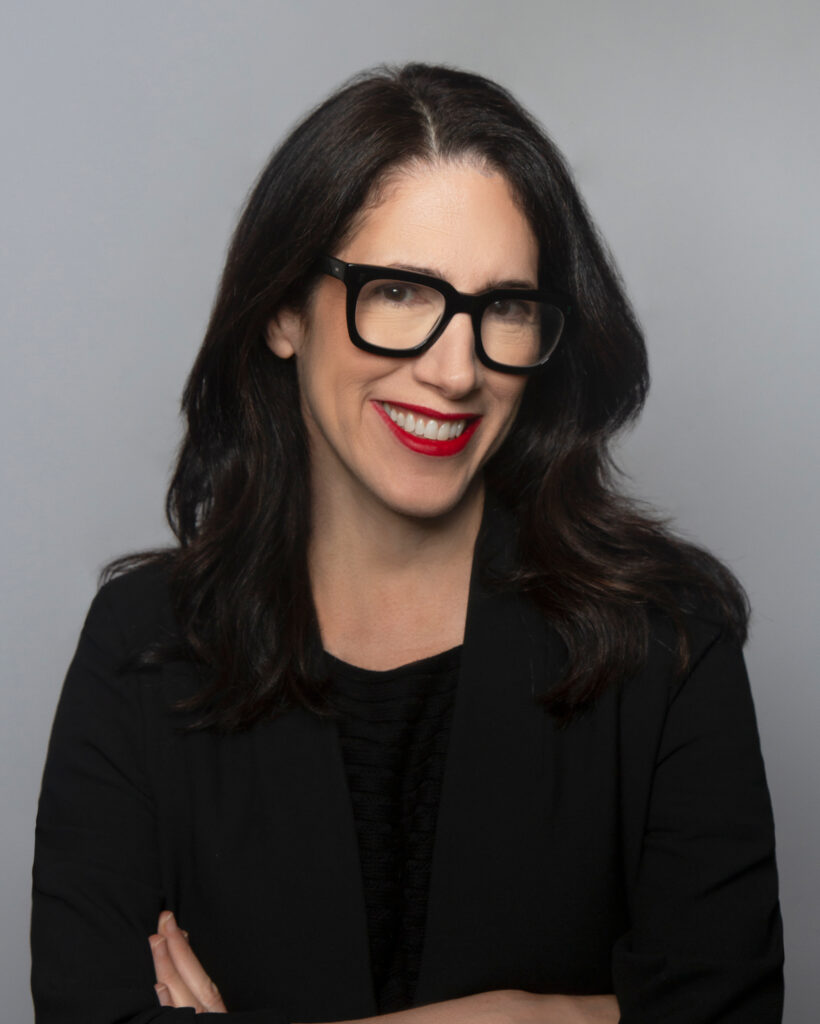
“One of the biggest myths is that if you build endowment, then you don’t have money for mission,” Lori said. “That is absolutely a myth. I honestly think having an endowment is part of your mission — to be sustainable.”
For Lori, endowments are not a luxury; they’re a governance responsibility. “It is an obligation that the board has to ensure that the organization … can go far into the future and be financially stable.”
Maya reinforced this point from a strategic perspective, emphasizing that endowments serve both internal and external purposes.
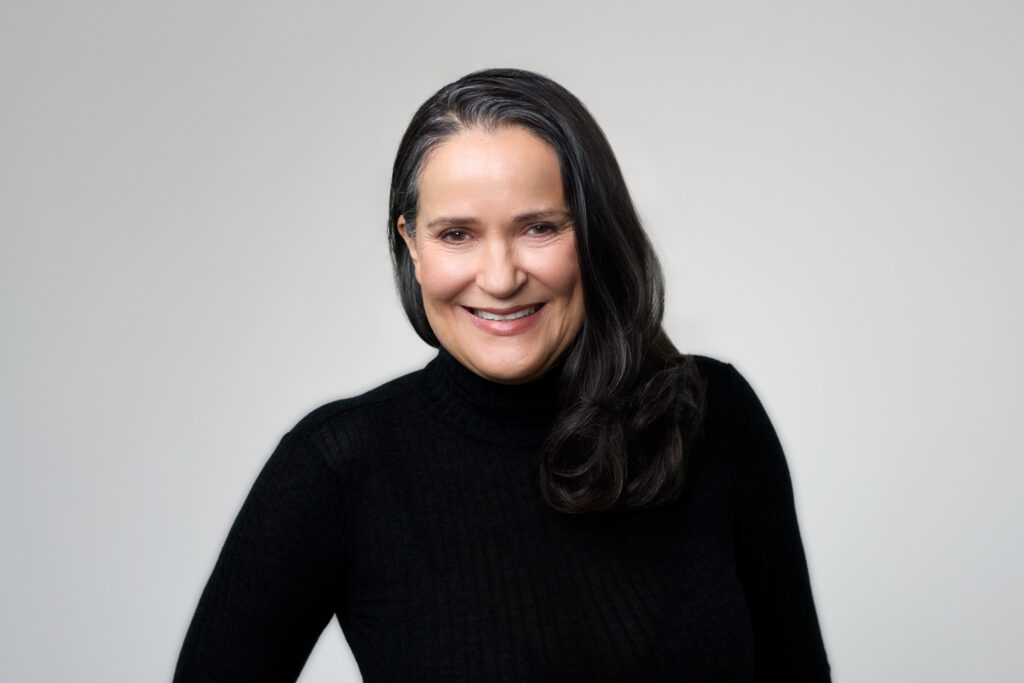
“I see endowments as a two-fold strategy,” she explained. “First, they provide long-term resources. Second, they’re a public signal. It demonstrates institutional strength and reassures donors that this organization can sustain its mission in difficult times.”
You Don’t Have to Be Big (or Rich) to Start
Another persistent myth the panel challenged was the idea that endowments require enormous amounts of money. Tina Young noted that this misconception alone keeps many nonprofits from even getting started.

“The myth I always hear is that you have to have a lot to start an endowment,” she said plainly. “You don’t.”
She said endowments are often confidence-builders in donor conversations.
“Having a sophisticated funding channel signals confidence for the donor,” she said. “Donors want to be part of something that’s moving forward and building.”
Nick echoed that perspective from the financial side.
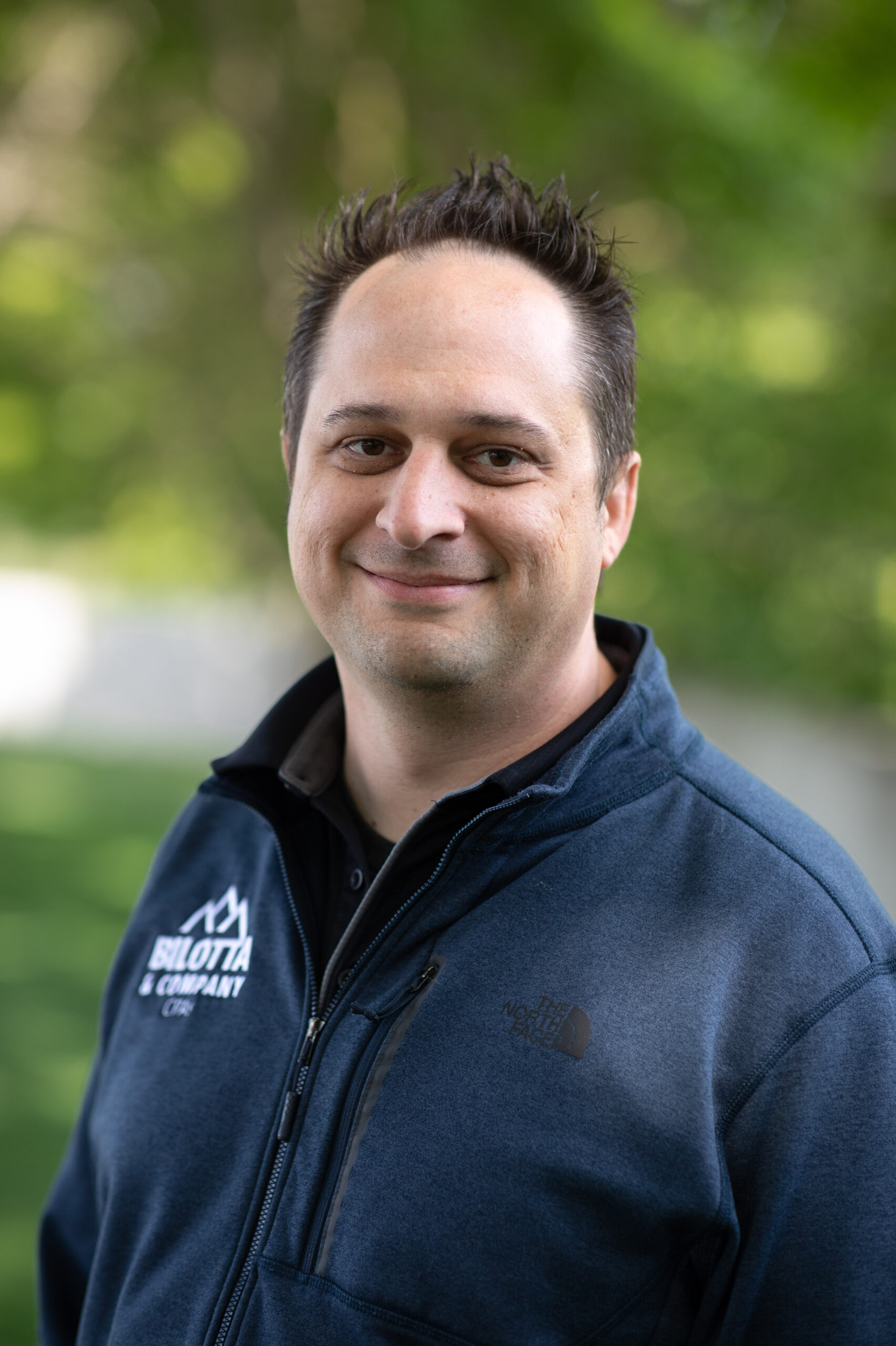
“You don’t need to be big or wealthy first,” he said. “Endowments are intentionally built. It takes everyone working together to make that happen.”
The takeaway: waiting for a perfect, seven-figure gift may actually slow momentum. Starting with a board-designated or quasi-endowment of any size can create the structure — and the signal — needed to attract future support.
Governance Is the Real Risk Area
When the conversation turned to risk, the panelists were nearly unanimous: the danger isn’t launching an endowment — it’s launching one without strong governance.
“The risk isn’t the endowment itself,” Maya said. “It’s a governance failure.”
They had numerous examples of how unclear policies, undocumented donor intent, or misaligned investment strategies can quickly become legal and ethical problems.
“If you don’t have policies, or they’re vague, or the investment strategy doesn’t match the mission, that’s where the risk comes in,” she warned.
Lori added that governance gaps often spill into donor relationships.
“It’s also a donor relationship issue if you’re not putting proper reporting and stewardship in place,” she said. “I’ve seen nonprofits say they have an endowment, but it’s really just a fund sitting there — and the donor never hears about it again.”
Nick emphasized documentation and consistency, particularly as staff and board members change over time. “The money is going to be there. The people are not,” he said. “That’s why policies and documented processes matter so much.”
Financial Readiness Comes Before Permanence
From Nick’s perspective, an endowment should never come at the expense of being able to pay the bills and maintain reserves. Before tying up funds long-term, nonprofits need a clear picture of their financial health.
“You have to be able to keep the lights on before you lock anything up,” he said. “Can you pay staff? Can you pay rent? Do you have operating reserves?”
He also cautioned against using quasi-endowments as emergency buffers. “A board fund should never be needed for payroll or rent,” Nick said. “That’s not what it’s for.”
Maya added that boards must align on purpose and risk before moving forward.
“You have to have a board that understands their fiduciary duty and long-term strategy,” she said. “Endowments require thinking beyond this year.”
Endowments and Fundraising Must Move Together
Tina emphasized that endowments don’t succeed in isolation — they must be integrated into fundraising strategy. That’s why development officers need to be part of the conversation from the early stages.
“Before you even get into policy and structure, you have to ask: do you have the pipeline to fund this?” she said. “It can’t be a wish list. It has to be backed by data.”
She also warned that setting unrealistic goals can backfire. “You can’t start an endowment if you don’t think you can even get close to the goal,” Tina said. “Not reaching it undermines donor confidence.”
Starting Small Can Open Big Doors
One of the most memorable moments of the webinar came when Maya shared a real-world example of a nonprofit that decided to just get started without being given a 7-figure gift.
“They funded a board-designated fund with $350,000,” she recalled. “A month later, someone on the board wrote a check for a million dollars.”
Within a few years, the fund had grown to more than $4 million, through both additional gifts and market performance.
The lesson? “Build it, and they will come.”
Peace of Mind for the Long Term
Endowments and similar vehicles create peace of mind and sustainability. They let organizations focus less on managing ambiguity and more on advancing mission. Building an endowment is an act of optimism. It reflects a belief that the mission will matter decades from now — and a commitment to making sure it can thrive.
Endowments are not about locking money away. They are about unlocking possibilities for the future of the mission and the people it serves.
Next Steps: Keep the Conversation Going
What are your biggest questions about starting an endowment?
If you’d like to explore next steps, please reach out to our panelists to discuss governance, fundraising strategy, legacy and planned giving, financial readiness, or investment structure. We’d all love to help more nonprofits avoid years of missteps and missed opportunities.
Lori Kranczer, legacy giving and philanthropic strategist and founder and CEO of Link Elevating Philanthropy
Tina Duong, founder and CEO of ImpactPro Tech®, a SaaS platform that uses data-driven donor intelligence
Maya Tussing, co-founder of Fairlight Advisors, which provides investment management and financial advisory services to nonprofits
Nick Bilotta, fractional CFO and founder of CPA firm Bilotta & Company, CPAs, LLC

Fairlight Advisors
Latest posts by Fairlight Advisors (see all)
- Why Big Donors May Hesitate to Fund an Endowment From Scratch - September 10, 2026